
How to Create a Blog: A Beginner's Step-by-Step Guide to Blogging Success
Welcome to the world of blogging, where you can share your thoughts, ideas, and expertise with the world. In this tutorial, we'll take you by the hand and walk you through the process of creating a blog from scratch. By the end of this guide, you'll have a beautiful blog up and running, and you'll be ready to start sharing your content with the world. So, what are you waiting for? Let's get started and learn how to create a blog that will make you proud.
Step 1: Choose a Niche for Your Blog
Before you start creating your blog, you need to decide on a niche or topic that you want to focus on. What are you passionate about? What do you want to talk about? Choose a niche that you're interested in, and that you think will resonate with your audience. For example, if you love cooking, you could start a food blog and share your favorite recipes with the world. Remember, your niche will be the foundation of your blog, so choose wisely. 
Step 2: Select a Blogging Platform to Create Your Blog
Now that you have a niche, it's time to choose a blogging platform. There are many options out there, including WordPress, Blogger, and Medium. Each platform has its own pros and cons, so do your research and choose the one that's right for you. For example, if you're a beginner, WordPress is a great option because it's easy to use and has a ton of customizable themes and plugins. On the other hand, if you're looking for a more minimalist approach, Medium might be the way to go. 
Step 3: Register a Domain Name for Your Blog
Once you've chosen your blogging platform, it's time to register a domain name. Your domain name will be the address of your blog, and it's what people will type in to access your site. Choose a domain name that's easy to remember, and that reflects the theme of your blog. For example, if your blog is about food, you might choose a domain name like "myfoodblog.com". Make sure to register your domain name with a reputable registrar, such as GoDaddy or Namecheap.
Step 4: Set Up Web Hosting for Your Blog
Now that you have a domain name, it's time to set up web hosting. Web hosting is what allows your blog to be accessible on the internet. There are many web hosting options out there, including Bluehost, HostGator, and SiteGround. Choose a web host that's reliable, and that offers good customer support. For example, Bluehost is a great option because it's affordable, and it offers a free domain name when you sign up.
Step 5: Install a Theme and Customize Your Blog
Now that you have web hosting, it's time to install a theme and customize your blog. Your theme will determine the look and feel of your site, so choose one that you like. There are many free and paid themes available, depending on your blogging platform. For example, if you're using WordPress, you can choose from thousands of free themes in the WordPress theme directory. Once you've installed your theme, you can customize it to fit your brand. Add your logo, change the colors, and add any other features you want.
Step 6: Create High-Quality Content for Your Blog
Now that your blog is set up, it's time to start creating content. Your content is what will attract and engage your audience, so make sure it's high-quality and relevant to your niche. Write about topics that you're passionate about, and that you think will resonate with your audience. Use a conversational tone, and make sure your content is easy to read and understand. For example, if you're writing a food blog, you might create a recipe post with step-by-step instructions and photos.
Step 7: Optimize Your Blog for SEO
Once you've created your content, it's time to optimize your blog for SEO. SEO stands for "search engine optimization," and it's what helps your blog rank in search engines like Google. Use keywords relevant to your niche, and make sure your meta description and title tags are accurate and descriptive. For example, if you're writing a food blog, you might use keywords like "recipe," "cooking," and "food."
Step 8: Promote Your Blog and Engage with Your Audience
Finally, it's time to promote your blog and engage with your audience. Share your content on social media, and participate in online communities related to your niche. Respond to comments and messages, and make sure you're providing value to your readers. For example, if you're writing a food blog, you might share your recipes on Instagram and Facebook, and participate in food blogging communities.
Frequently Asked Questions:
- Q: How do I create a blog? A: To create a blog, follow the steps outlined above, including choosing a niche, selecting a blogging platform, registering a domain name, setting up web hosting, installing a theme, creating high-quality content, optimizing for SEO, and promoting your blog.
- Q: What is the best blogging platform? A: The best blogging platform depends on your needs and preferences. Popular options include WordPress, Blogger, and Medium.
- Q: How do I make money from my blog? A: There are many ways to make money from your blog, including advertising, affiliate marketing, sponsored content, and selling products or services.
Choosing The Best Blog Design Template For A Fabulous Website
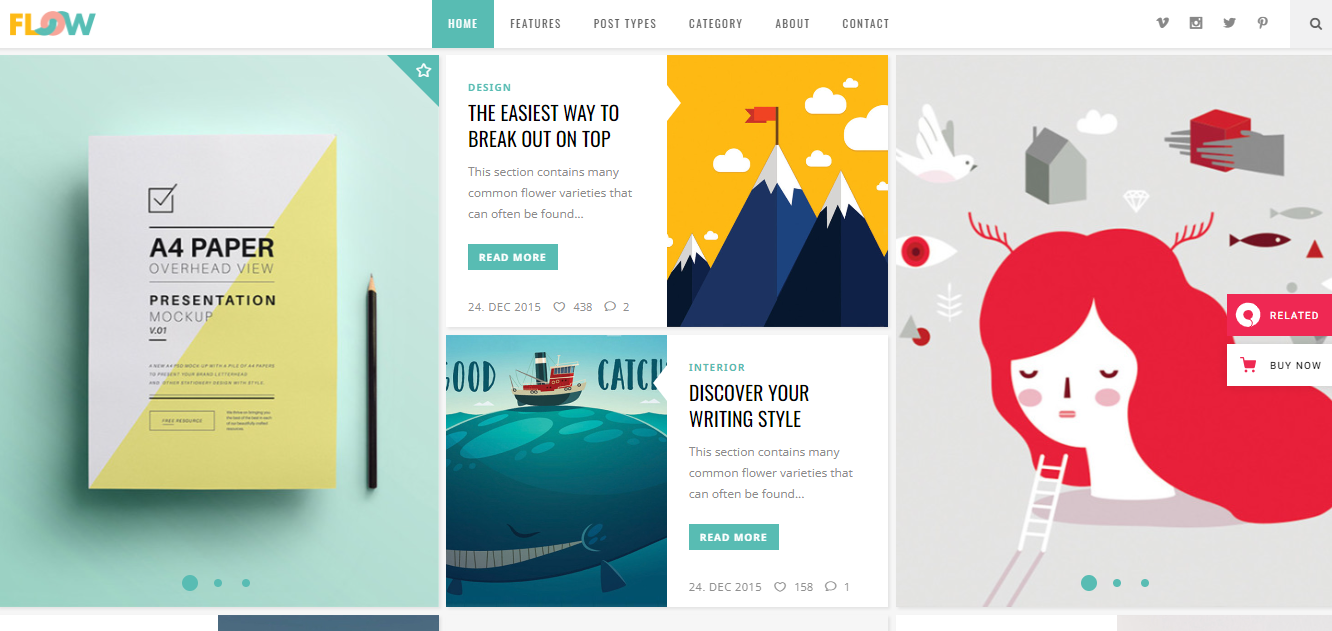
Choosing the Best Blog Design Template for a Fabulous Website
Choosing The Best Blog Design Template For A Fabulous Website
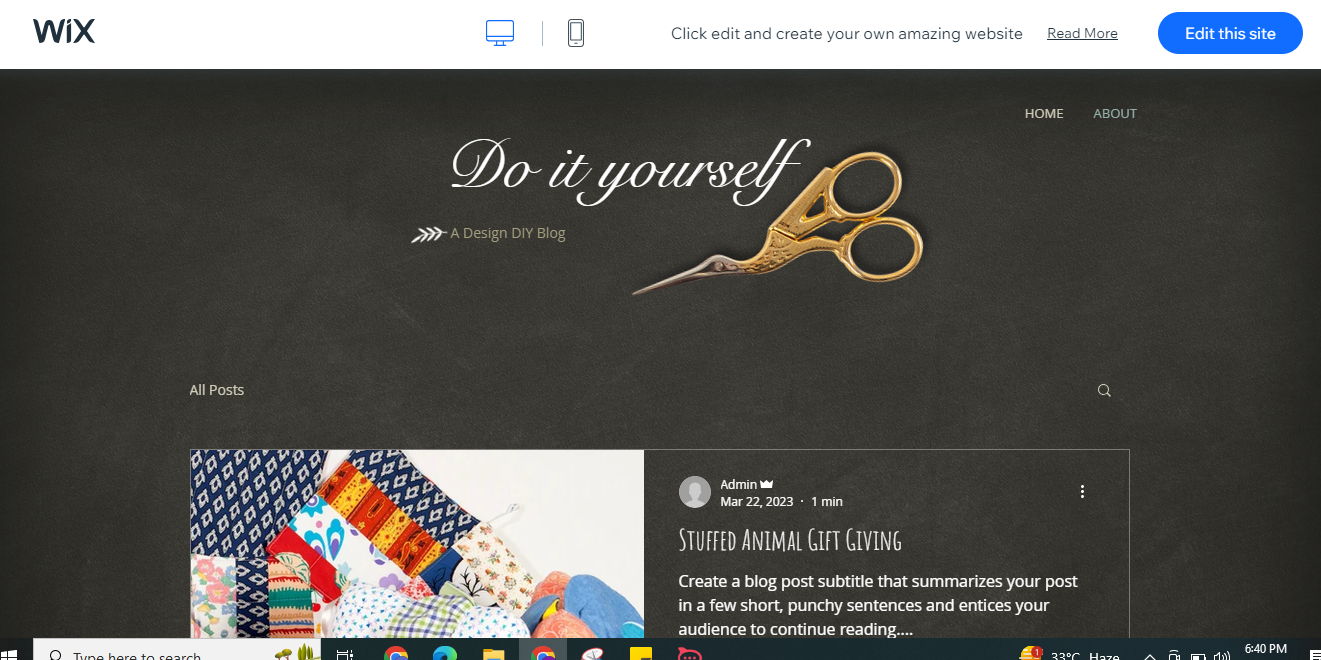
Choosing the Best Blog Design Template for a Fabulous Website
How To Create A Blog In 2025: Beginners Guide
How to Create a Blog in 2025: Beginners Guide